


How to Fix Underground Water Problems Under Solar Parking Lot Canopies
How Do You Fix Water Problems Under Solar Parking Lot Canopies?
Underground water issues beneath solar parking lot canopies are typically caused by disrupted drainage pathways and trapped moisture in the pavement base. These problems can often be corrected by installing retrofit underdrains, improving surface drainage slopes, adding catch basins, and repairing saturated pavement areas. Early diagnosis and drainage planning can significantly extend pavement life.
Solar Canopies Installed — Now You’re Seeing Water Problems
— No Need To Worry
 Solar parking lot canopies are often installed as part of long-term sustainability initiatives, energy cost reduction strategies, or corporate ESG programs. The structures are engineered and constructed with careful attention to electrical infrastructure and structural loading.
Then, months later, something unexpected begins to happen.
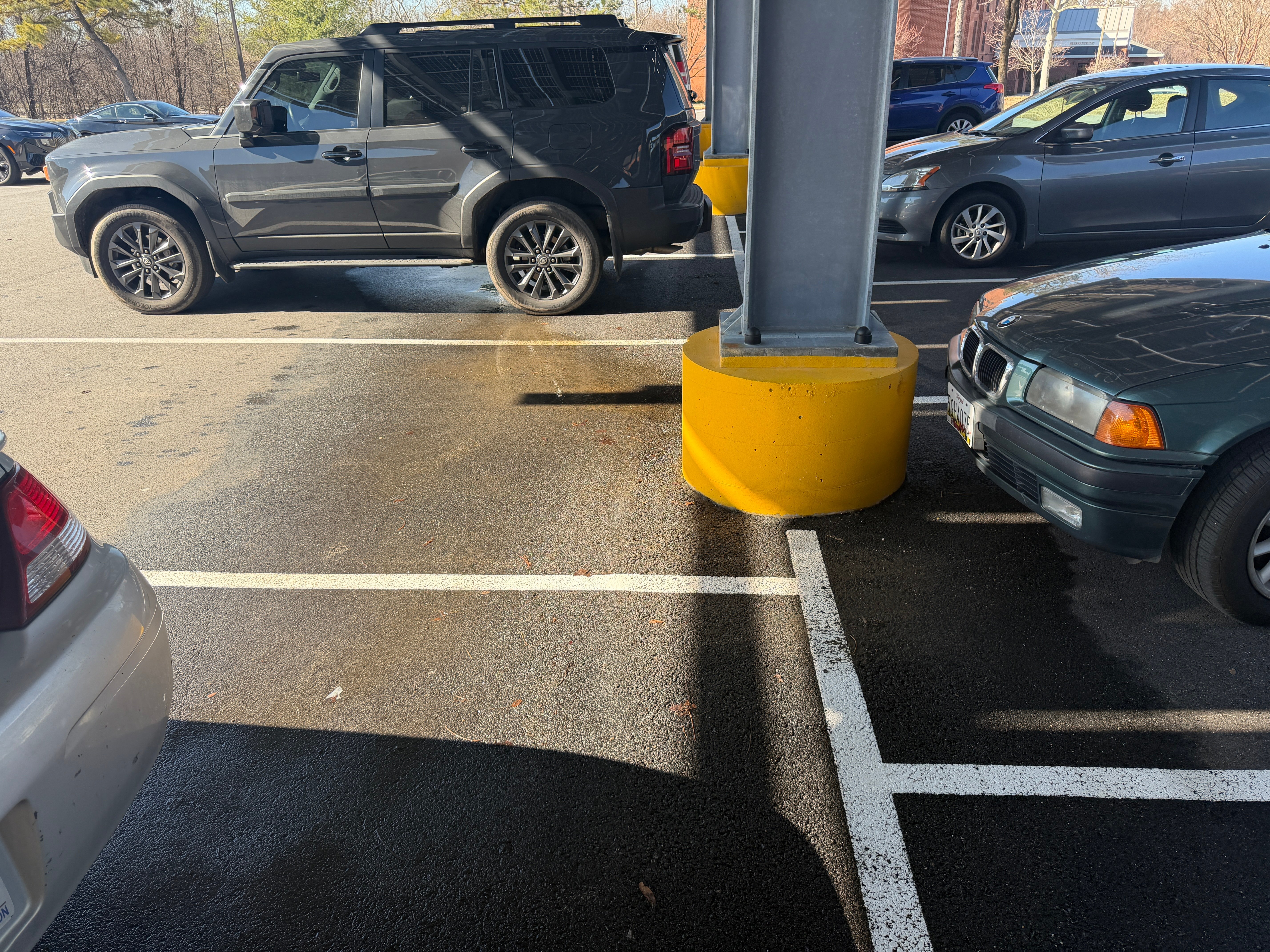
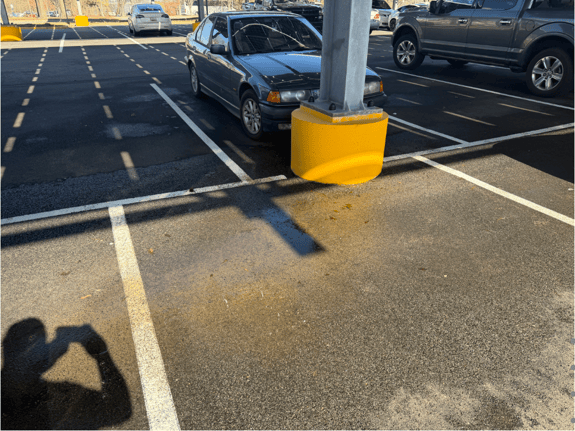
You start noticing water surfacing through pavement cracks, damp areas forming around canopy columns, or persistent wet pavement that never seems to fully dry. In colder climates, these damp zones may even turn into isolated icing hazards during the winter.
These issues can be frustrating — especially when the parking lot performed well before the canopy installation.
The good news is that these problems are not uncommon, and they are usually correctable.
Solar canopy construction can unintentionally alter underground drainage pathways and surface water patterns. When moisture becomes trapped beneath the pavement structure, it will eventually find its way to the surface. Fortunately, there are proven remediation strategies that can relieve subsurface water pressure, improve drainage performance, and restore safe, dry pavement conditions.
Understanding the causes — and knowing that solutions are available — is the first step toward protecting both your parking lot investment and your solar infrastructure.
Remediation Strategies After Solar Structures Are Already Installed
Solar parking lot canopies are a major investment in sustainability and energy efficiency. However, many property owners and facility managers are discovering an unexpected issue months or even years after installation:
Underground water begins surfacing through cracks, joints, or around canopy foundation columns.
These moisture problems can lead to pavement deterioration, persistent wet areas, winter icing hazards, and long-term structural concerns.
While proper drainage planning before canopy construction can prevent many of these issues, remediation is still possible — even after the structures are already installed.
Understanding how to diagnose and correct subsurface water problems can help extend the life of the parking lot and restore safe conditions.
Why Underground Water Issues Develop After Solar Canopy Installation
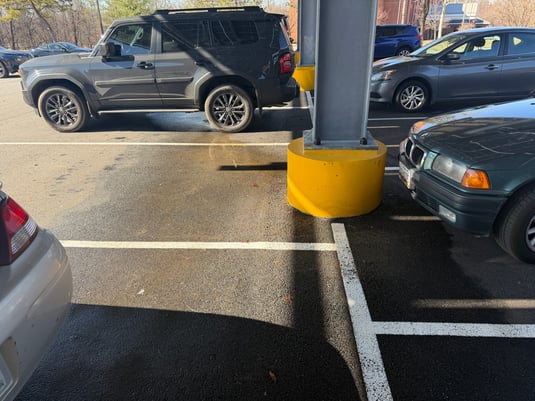 When solar canopy foundations are installed, deep excavations are typically required to support structural steel columns. These excavations can interrupt existing drainage pathways within the pavement’s stone base layer.
In some cases, the new concrete foundations act like underground dams, redirecting groundwater upward toward the asphalt surface.
Additional factors can worsen the problem:
- Concentrated runoff from solar panels
- Reduced evaporation due to shading
- Saturated subgrade soils
- Freeze-thaw cycles forcing moisture upward
- Lack of subsurface drainage infrastructure
Once groundwater pressure builds beneath the pavement, water will seek the easiest escape route — often through cracks, seams, or weak areas near canopy columns.
Step 1: Identify the Source of the Moisture
Before remediation begins, it is critical to determine whether the water is coming from:
- Surface drainage failure
- Groundwater intrusion
- Broken underground utilities
- Improper grading
- Concentrated roof runoff from solar panels
A thorough site inspection should include:
- Visual pavement evaluation
- Checking catch basin performance
- Observing water patterns after rainfall
- Reviewing original canopy construction plans
- In some cases, subsurface investigation or test pits
Proper diagnosis ensures the repair strategy targets the root cause rather than just the symptoms.
Step 2: Install Retrofit Underdrain Systems
One of the most effective solutions for groundwater problems under solar canopies is installing retrofit underdrains.
These systems typically involve:
- Sawcutting narrow trenches through the asphalt
- Excavating into the stone base layer
- Installing perforated drain pipe wrapped in filter fabric
- Backfilling with clean drainage stone
- Restoring the asphalt surface
Retrofit underdrains provide a controlled pathway for groundwater to escape, reducing hydrostatic pressure beneath the pavement.
This helps:
- Prevent water from surfacing through cracks
- Improve base stability
- Reduce pavement pumping and settlement
- Extend pavement lifespan
Underdrains can often be installed between canopy rows with minimal disruption to parking operations.
Step 3: Improve Surface Drainage Patterns
In some cases, underground water problems are worsened by poor surface drainage.
Corrective measures may include:
- Regrading localized pavement areas
- Installing additional catch basins
- Extending downspouts or runoff discharge points
- Creating shallow swales or drainage channels
- Milling and paving to restore proper slope
Because solar panels concentrate runoff in specific locations, drainage infrastructure may need to be adjusted to accommodate these new water patterns.
Step 4: Repair Pavement Damage Caused by Moisture
Once drainage improvements are made, attention should turn to repairing damaged pavement.
Common repair methods include:
- Infrared asphalt restoration
- Full-depth patching
- Crack sealing to prevent further water entry
- Targeted asphalt overlays in saturated areas
Addressing both the drainage issue and the pavement damage ensures long-term performance.
Step 5: Monitor Winter Icing and Moisture Patterns
After remediation work is completed, facility managers should continue monitoring areas beneath solar canopies for:
- Persistent dampness
- New cracking patterns
- Ice formation during cold weather
- Evidence of base movement
Ongoing inspection allows early detection of recurring issues and helps protect the investment in both the solar canopy and the parking lot.
Key Takeaways for Facility Managers
- Solar canopy installations can change drainage behavior
- Underground water surfacing is often correctable
- Retrofit underdrains are one of the most effective solutions
- Proper surface grading helps reduce water infiltration
- Monitoring shaded areas can prevent safety hazards
Planning Ahead for Future Solar Projects
For properties considering additional solar canopy installations, a pre-construction drainage assessment is highly recommended.
Installing underdrains and evaluating groundwater conditions before canopy construction can significantly reduce the likelihood of future moisture problems.
Final Thoughts
Underground water surfacing beneath solar parking lot canopies can be frustrating for property owners, but effective remediation strategies are available.
By identifying the source of the moisture, installing retrofit underdrain systems, improving surface drainage, and repairing affected pavement areas, facility managers can restore safe conditions and extend pavement life.
Solar canopies provide long-term environmental and operational benefits — and with proper drainage planning and remediation, parking lots can continue to perform reliably beneath them.
## Solar Parking Lot Canopy Drainage: Questions & Answers
Why is my parking lot wet under solar panels?
Solar canopies reduce sunlight and evaporation while also concentrating runoff. This can cause moisture to remain trapped in the pavement structure.
Can solar canopies cause parking lot drainage problems?
Yes. Deep foundation excavations and altered runoff patterns can interrupt natural drainage and increase groundwater pressure beneath the pavement.
What is the best way to fix groundwater under a parking lot?
Installing subsurface underdrains is one of the most effective long-term solutions because it relieves hydrostatic pressure and stabilizes the pavement base.
Do solar canopies make winter icing worse?
They can. Shaded pavement dries more slowly, allowing moisture to freeze overnight and create isolated icy conditions.



Leave a Comment